Welcome!
I’m Sheyda Jahanbani and I’m a researcher, writer, and educator. I live in beautiful Lawrence, Kansas, where I work as an Associate Professor of History at the University of Kansas. I teach courses in the history of the US & the World, global history, and the history of the global Cold War.
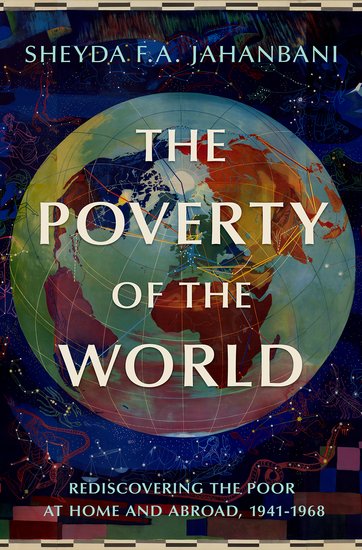
The central questions that animate my scholarly research and writing focus on how Americans from all walks of life made sense of–and were changed by–their encounters with the world around them in the years after the Second World War. In particular, I’m interested in how those encounters enabled new ways of imagining the world.
My intellectual agenda has no doubt been shaped by my life experience. My father was an Iranian nationalist who supported Mohammed Mossadegh’s efforts to make Iran a more democratic society during the early Cold War. In late 1978, as religious extremists took control of the Iranian government, my father (with my mom and me in tow) had to flee the country. In that instant, he became a refugee. Growing up as the child of an immigrant has had en enormous impact on the way I understand the United States and its history. As often as I critiqued US foreign policy, my father reminded me that the United States still represented a beacon of hope for millions of people around the world who did not enjoy the relative luxury of stable democracy and economic prosperity. This tension–between what the United States could be to the rest of the world and what it has been–inspired my first book project and remains at the heart of my intellectual agenda.
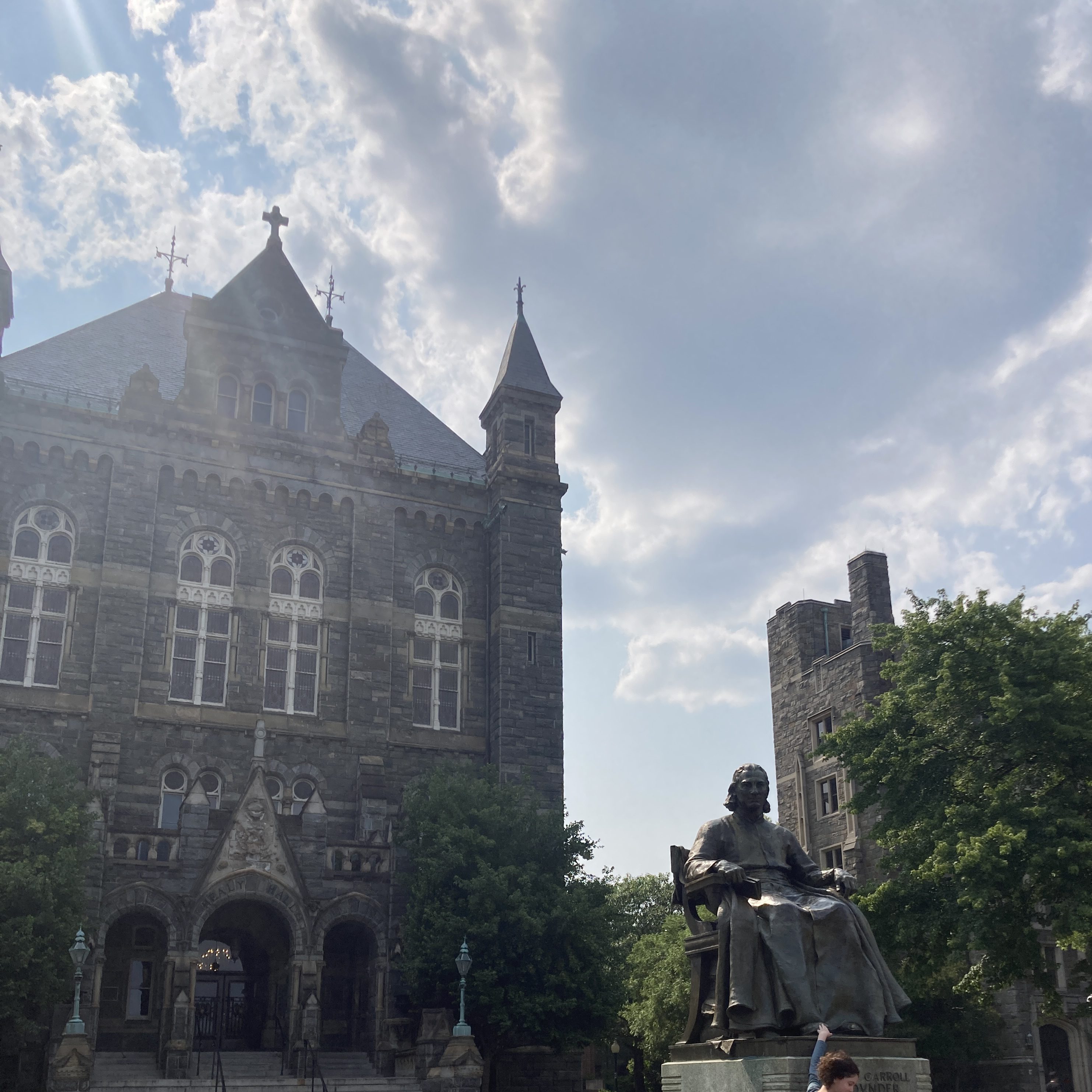
That said, I didn’t always want to become a historian. Instead, I wanted to be part of making US foreign policy. I graduated with an undergraduate degree in International Politics from the Edmund G. Walsh School of Foreign Service at Georgetown University in Washington, DC, where I did internships in the Congressional Office of Rep. Eva Clayton (D-NC), the Democratic Staff of the Senate Health, Education, and Welfare Committee, and, eventually, the National Security Council in the late 1990s. My experience in politics made me interested in the many (many…many…) limitations that constrain policymaking. Thanks to two persistent History professors at Georgetown, I decided to pursue a graduate degree in History to learn more about the history of US foreign relations and politics, which I did at Brown University. Under the careful guidance of brilliant, imaginative scholars, I discovered that historical thinking helped me satisfy every curiosity I could come up with–and that writing and teaching about the past fulfilled me in ways I hadn’t ever anticipated.
While I sometimes miss being “in the arena,” as the saying goes, I believe deeply in the power of historical thinking to help us understand ourselves and our political and social lives and I’m immensely grateful that I get to research, write, and teach this discipline.
If you’re a student considering History as an undergraduate major, please reach out to me. If you are a graduate student looking to develop your own research agenda, do likewise. Mentoring students who also share curiosity about the past is among the most important parts of my job–and one I love doing.
Thanks for visiting this site!
Areas of Expertise



History of US Foreign Relations
I teach a variety of undergraduate courses that chart the history of US foreign relations, from official foreign policy to the transnational connections that connect people across borders.
Global History
My current research and teaching focuses on “the global” as a concept and how global phenomena like trade, migration, and climate change have shaped the world.
Student-Centered Pedagogy
Since i began teaching in college classrooms, I have worked to develop a deep and broad expertise in student centered and active-learning teaching techniques.
US Political History
I was also trained in the field of US political history and bring this expertise to bear on contemporary political issues in my writing and public speaking.

Public Appearances
I enjoy talking about my research and writing–but also about historical thinking and pedagogy. Here are a few recent appearances.
 professorsheyda.com